Estate Planning · July 27, 2026
The Family Cabin Is Not an Estate Plan
A practical family cabin plan covers ownership, costs, scheduling, repairs, buyouts, and exits—protecting the property and sibling relationships.
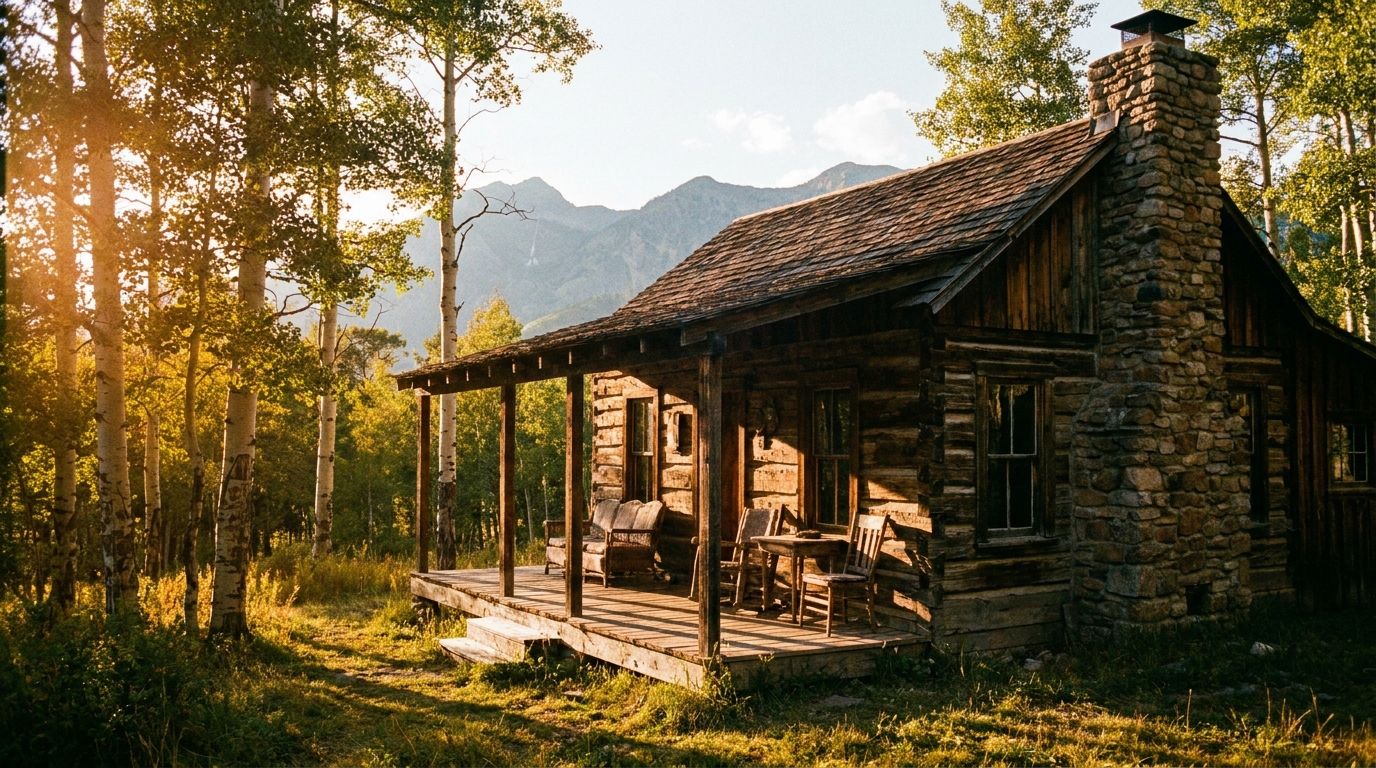
Picture a Friday afternoon in July.
Three adult siblings pull into the family cabin within ten minutes of each other. One brought twelve guests. One brought two dogs. One thought she had reserved the weekend in the family group text.
Dad used to settle these things with a look over his glasses.
Dad is gone now.
The cabin belongs to all three children. The water heater is leaking. The property tax bill is due. One sibling wants to remodel the kitchen, one wants to sell, and one has stopped answering texts.
Their parents thought they had solved the problem by writing, “I leave the cabin to my children in equal shares.”
They transferred the property.
They did not transfer a plan.
That distinction matters. A deed, will, or trust can tell us who owns the cabin after you die. It may do nothing to answer the questions that determine whether your family can enjoy it together.
Equal ownership can create unequal headaches
Parents often start with a good instinct: “I want to treat my children equally.”
But equal percentages do not create equal interest, equal income, or equal availability.
One child may live twenty minutes away and use the cabin every month. Another may live in Texas and visit once every three years. One may have plenty of cash for a new roof. Another may struggle to cover the annual property tax. One wants to preserve every pine cabinet because Mom picked them. Another has already opened Pinterest.
If all three own one-third, who decides?
Without written rules, routine questions can become family disputes:
- Who gets holiday weekends?
- Can an owner invite friends without being present?
- Are pets allowed?
- Who pays for utilities, insurance, taxes, and repairs?
- Does frequent use require a larger contribution?
- What counts as maintenance, and what requires an owner vote?
- Can one sibling rent the cabin on Airbnb?
- What happens if an owner divorces, dies, faces a creditor, or files bankruptcy?
- Can a child sell an interest to an outsider?
- What happens when one owner wants out?
These are not side issues. They are the cabin plan.
If you leave them unanswered, your children will have to negotiate them while grieving, raising their own families, and sorting through decades of sibling history. That is a poor time to invent a governance system.
Avoiding probate solves only one piece
Utah families have several ways to transfer real estate at death.
A will can direct the cabin to your children, but property controlled by the will usually passes through probate. A properly prepared and recorded transfer-on-death deed can move Utah real estate to named beneficiaries at death without probate. A revocable living trust can also hold title and direct what happens after you die.
Each tool has a place.
But “avoids probate” does not mean “avoids conflict.”
A transfer-on-death deed may place the children directly on title. It does not, by itself, give them a complete system for scheduling weekends, approving a roof replacement, collecting annual contributions, or buying out a sibling.
A trust can provide those instructions if someone drafts it for that purpose. A generic sentence leaving the property in equal shares may create the same practical mess inside a different document.
Some families use a limited liability company to own the cabin. Instead of inheriting slices of real estate, family members receive interests in the LLC. A tailored operating agreement can then establish voting rules, transfer restrictions, annual assessments, use policies, and an exit process.
An LLC is not magic. It requires administration, separate records, and a plan that fits the family. A trust may own the LLC interests during the parents’ lives and pass them under carefully written terms later. Other families may do better with a trust alone.
The right structure depends on the property, the family, the state where the cabin sits, and the parents’ goals.
The key is to build the ownership structure and the family rules together.
Give your children a way to leave
Every good cabin plan needs an exit door.
Parents sometimes resist this. They picture grandchildren catching fish from the same dock fifty years from now. They worry that a buyout option makes a sale more likely.
The opposite often happens. A clear exit process can preserve the cabin because it keeps one unhappy owner from turning every repair bill into a fight.
Your plan should answer:
- Can an owner ask to be bought out?
- How will the family value the interest?
- Do the other owners have the first right to buy?
- Can they pay over time?
- What happens if nobody can afford the buyout?
Valuation deserves care. “One-third of the appraised property value” sounds simple, but a one-third interest in a family cabin may not sell for one-third of the whole. The agreement should state whether discounts apply, who selects the appraiser, and who pays the appraisal cost.
Payment terms matter too. Requiring a cash buyout within thirty days may force a sale. Allowing payments over several years may let the remaining siblings keep the cabin while giving the departing sibling a fair path to liquidity.
Death also needs its own rule. Does a deceased child’s interest pass to that child’s spouse, children, trust, or the remaining owners? If grandchildren inherit, who votes while they are minors? How many owners will the cabin have after two generations?
Five owners can manage a shared calendar.
Seventeen cousins with different budgets may need more than a group chat.
Fund the memory, not just the property
A cabin costs money even when nobody visits.
Insurance, utilities, property taxes, snow removal, fire mitigation, septic work, road maintenance, and surprise repairs keep arriving. A free cabin can become an expensive inheritance.
Parents can reduce that burden by setting aside a maintenance reserve. Depending on the family’s circumstances, they might leave cash in a trust, fund an LLC account, or direct other assets toward cabin expenses.
The documents should also explain what happens after the reserve runs out.
Will each family branch pay an equal annual assessment? Will contributions track ownership percentages? Can an owner earn a credit by doing approved maintenance? What happens if someone does not pay?
Put the rules in writing while everyone still likes each other.
Then hold a family conversation.
The current research on inheritance disputes keeps circling the same painful sentence: “We never talked about it.” Families discover the legal plan after a funeral, then try to guess what Mom and Dad meant.
You can spare your children that guessing game.
Tell them why the cabin matters to you. Ask whether they want to own it. Listen when one child says no. A child who prefers cash is not rejecting the family. They may live far away, lack the budget, or know shared ownership will strain sibling relationships.
Your estate plan can account for that. You might leave the cabin to the children who want it and balance the inheritance with other assets. You might give interested children a purchase option. You might authorize a sale if too few family members want to continue.
Fairness does not require forcing every child into the same asset.
The cabin may hold your best family memories. Give those memories a structure strong enough to survive the next roof, the next marriage, and the next generation.
If your family owns a cabin, vacation home, or shared property, we can help you turn “the kids will work it out” into a practical written plan.
I'm in North Salt Lake, and my flat-fee pricing is on the site.
This article provides general information, not legal advice. Estate planning and real estate laws vary by state, and the right plan depends on your circumstances.
This article is general information, not legal advice. Estate planning laws vary by state, and the right plan depends on your circumstances. — Jon Miller